Hush Little Baby

Part 3: Hypersonic Silence — Russia’s Nuclear Edge and the Race for Rare Earth Control
By Jerri Dietz
Introduction: Faster. Deadlier. Quieter.
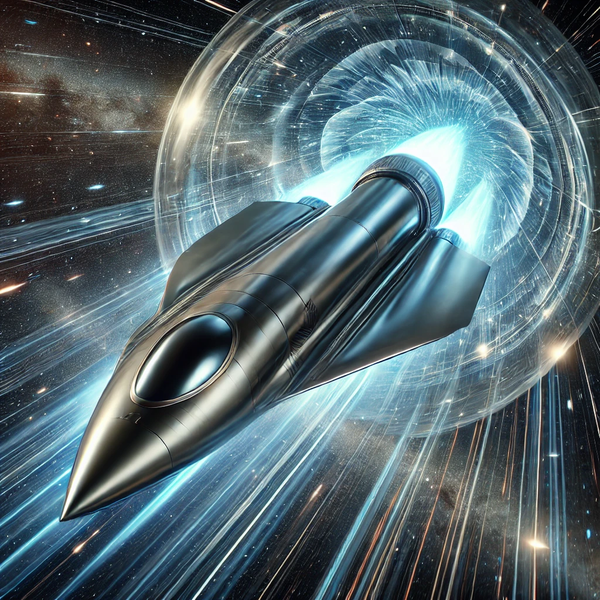
Russia’s hypersonic missiles, such as the Kh-47M2 Kinzhal and the Avangard, are not only fast but also capable of carrying nuclear warheads. The Kinzhal, for instance, can be launched from various platforms, including MiG-31K interceptors and Tu-22M3 bombers, and is capable of carrying nuclear or conventional warheads.
What’s even more concerning is their advancement in noise reduction and stealth technologies, making these weapons harder to detect and intercept.
How Russia Is Quieting the Sky
At hypersonic speeds, missiles generate significant noise and heat signatures, making them detectable by current defense systems. However, Russia is investing in materials and technologies that reduce:
• Shockwave noise
• Infrared tracking trails
• Electromagnetic signatures
These advancements enhance the missiles’ stealth capabilities, allowing them to penetrate defenses more effectively.
Key Materials Being Used for Hypersonic Noise Reduction
Material Purpose Notes
Hafnium Carbide (HfC) Extreme heat resistance Handles temperatures >3,900°C; high density helps smooth pressure waves
Zirconium Diboride (ZrB₂) Plasma control Used on nosecones to shape ionization layers
Boron Nitride Nanotubes (BNNTs) Shock absorption, thermal dispersal Lightweight, flexible; reduces vibration and heat hotspots
Samarium-Cobalt Alloys High-temp magnetic shielding Rare earth; used for field shaping in EM-sensitive areas
Yttrium Oxide (Y₂O₃) Ceramic strengthener Stabilizes plasma-resistant ceramics
Tantalum Carbide (TaC) Heat shielding & neutron absorption Possible in nuclear-capable Avangard variants
Neodymium & Terbium Alloys Acoustic modulation Used in experimental waverider coating systems
Carbon-carbon composites + aerogel foam layers Internal damping Mitigates internal vibration & nozzle turbulence resonance
Why This Matters
Noise isn’t just an auditory concern—it’s a detectable signature. By reducing heat and shockwave noise, these missiles become:
• Harder to detect
• More challenging to intercept
• More likely to reach their targets undetected
When combined with nuclear capabilities, this stealth makes them a formidable threat.
My Work: A Better Answer
My research focuses on developing zirconium-based composites that:
• Handle rapid temperature cycling without cracking
• Are less brittle than traditional ceramics
• Can be molded into various missile components with customized conductivity
• Eliminate the need for volatile ablative shielding
These materials offer a path forward for creating interceptors capable of matching or surpassing the performance of current hypersonic threats.
Conclusion: The Materials Arms Race
The integration of nuclear capabilities into hypersonic missiles, coupled with advancements in stealth technologies, represents a significant escalation in modern warfare. To maintain strategic stability, it’s imperative that the U.S. invests in advanced materials science to develop effective countermeasures
Would you like assistance in formatting and publishing this draft on your Ghost page as Part 3? Additionally, I can help expand it further with figures and specifications from your notes if desired.