Catch Me If You Can!

Cracks in the Shield: Why U.S. Missile Defense Can’t Handle Hypersonics
By Jerri Dietz
Introduction: A Shield Built for Yesterday’s Threats
While American defense contractors boast about missile shields and interceptors, the uncomfortable truth is that today’s systems were built for threats moving much slower than hypersonic weapons.
As adversaries leap ahead with Mach 5+ maneuverable missiles crafted from advanced ceramics, the layered U.S. missile defense system begins to show dangerous cracks.
1. Existing U.S. Missile Defense Systems
Current U.S. missile defense programs were designed around ballistic missiles or slow cruise missiles, using technology optimized for predictable arcs and long detection windows.
System Designed To Stop Top Threat Speed
Patriot PAC-3 Short-range missiles, aircraft ~Mach 3
THAAD Intermediate ballistic missiles ~Mach 5 (barely)
Aegis SM-3 Midcourse ballistic missiles ~Mach 6
Ground-Based Midcourse Defense (GMD) ICBMs (outside atmosphere) ~Mach 10 (predictable arcs)
Problem:
These interceptors expect enemies to behave predictably. Hypersonic weapons don’t — they glide, dive, maneuver, and arrive with almost no warning.
2. Why Hypersonic Weapons Defeat Missile Defense
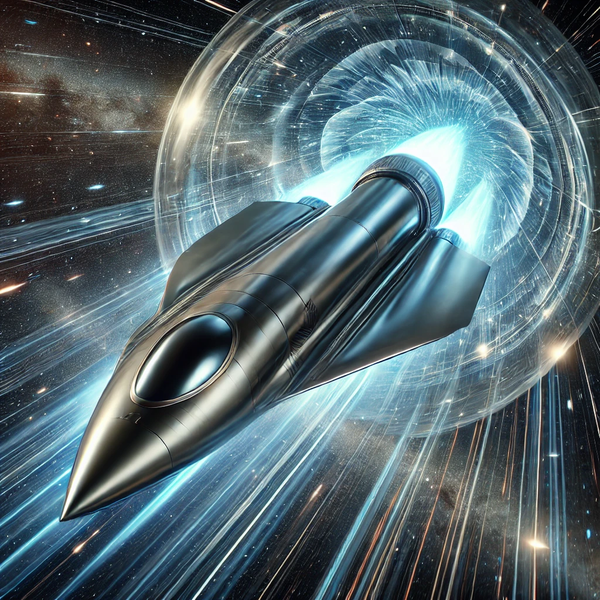
Modern hypersonic missiles, whether glide vehicles or air-breathing cruise systems, operate in ways that completely bypass the logic of traditional defenses.
They:
• Maneuver at Mach 5–10, making tracking nearly impossible.
• Fly inside the atmosphere (30–70 km altitude), where existing midcourse interceptors can’t reach effectively.
• Minimize launch warning time, leaving interceptors with no chance to adjust course.
And worse:
The materials protecting these weapons — like hafnium carbide (HfC), zirconium diboride (ZrB₂), and silicon carbide (SiC) — make them resistant to the plasma, drag, and thermal stresses that would normally destroy a missile at those speeds.
Unlike older missiles that risked melting mid-flight, these new designs survive the journey intact, unpredictable, and lethal.
3. The U.S. Attempts to Catch Up (Too Late)
The Pentagon knows it’s behind and is funding programs like:
• Glide Phase Interceptor (GPI) — Naval missiles that will someday intercept hypersonic glide vehicles (targeted deployment ~2034).
• Hypersonic and Ballistic Tracking Space Sensor (HBTSS) — A network of satellites to try to track threats in real-time (still early stages).
• Directed Energy (Lasers) — Promising technology, but nowhere near operational readiness.
Meanwhile, adversaries like China and Russia already field:
• The DF-17 Hypersonic Glide Vehicle (China)
• The Kinzhal Hypersonic Missile (Russia)
• The Avangard HGV, which can reportedly maneuver evasively at Mach 20.
By the time U.S. countermeasures are fully operational, hypersonic weapons may already dominate the battlefield.
4. How My Material Designs Could Change Defense
My research focuses on zirconium-ceramic composites that:
• Resist plasma and friction heat without burning away
• Maintain structural integrity under extreme pressure
• Allow interceptors themselves to survive at hypersonic closing speeds
Instead of relying on old materials that require heavy ablative shielding, my materials allow lighter, faster, smarter interceptor systems.
Potential Applications:
• Hypersonic-speed kill vehicles
• Plasma-resistant interceptor shields
• Faster midcourse and terminal defense weapons
If the U.S. hopes to survive the next generation of warfare, new materials must lead the way — not legacy patents and politics.
Conclusion: The Hypersonic Gap is Real
Missile defense today is like bringing a medieval shield to a modern gunfight.
If we don’t move quickly to rethink materials, sensors, and tactics, no amount of money will stop the next generation of threats.
The race isn’t to the fastest missile —The race is to the material that survives when it gets there.
And right now, America’s shield isn’t ready.
[End of Post]
**Would you like me to also create a second small “follow-up” post immediately after